
Random number generation is central to the fairness of online casino games. At Rogue Casino, players in the United Kingdom may encounter slots and other games that rely on random number generator technology, commonly called an RNG. Understanding what an RNG does—and what it does not guarantee—can help players assess game fairness more confidently. This article explains the technology, how to check the information available, and how to approach play responsibly.
Visit https://gb.uk-rougecasino.com to review the casino’s current UK-facing information. Before registering or depositing, check the terms, eligibility requirements, payment conditions and responsible gambling tools directly on the site. Casino details and availability can change, so current published information should take priority over assumptions.
What an RNG does
An RNG is a system that produces number sequences used to determine outcomes in digital casino games. In a slot, those values are mapped to symbols and reel positions. In other games, they may determine a card, dice result or other game event. The process is designed so that each result is unpredictable and not chosen to favour a particular player during an individual round.
In a properly functioning game, the RNG operates continuously, including when nobody is pressing spin. The result of a round is determined when the game processes the player’s action. Waiting for a certain moment, choosing a particular stake pattern or following a sequence of past results does not make the next outcome more likely to win. Previous spins do not create a debt that the game must repay.
How RNG fairness is assessed
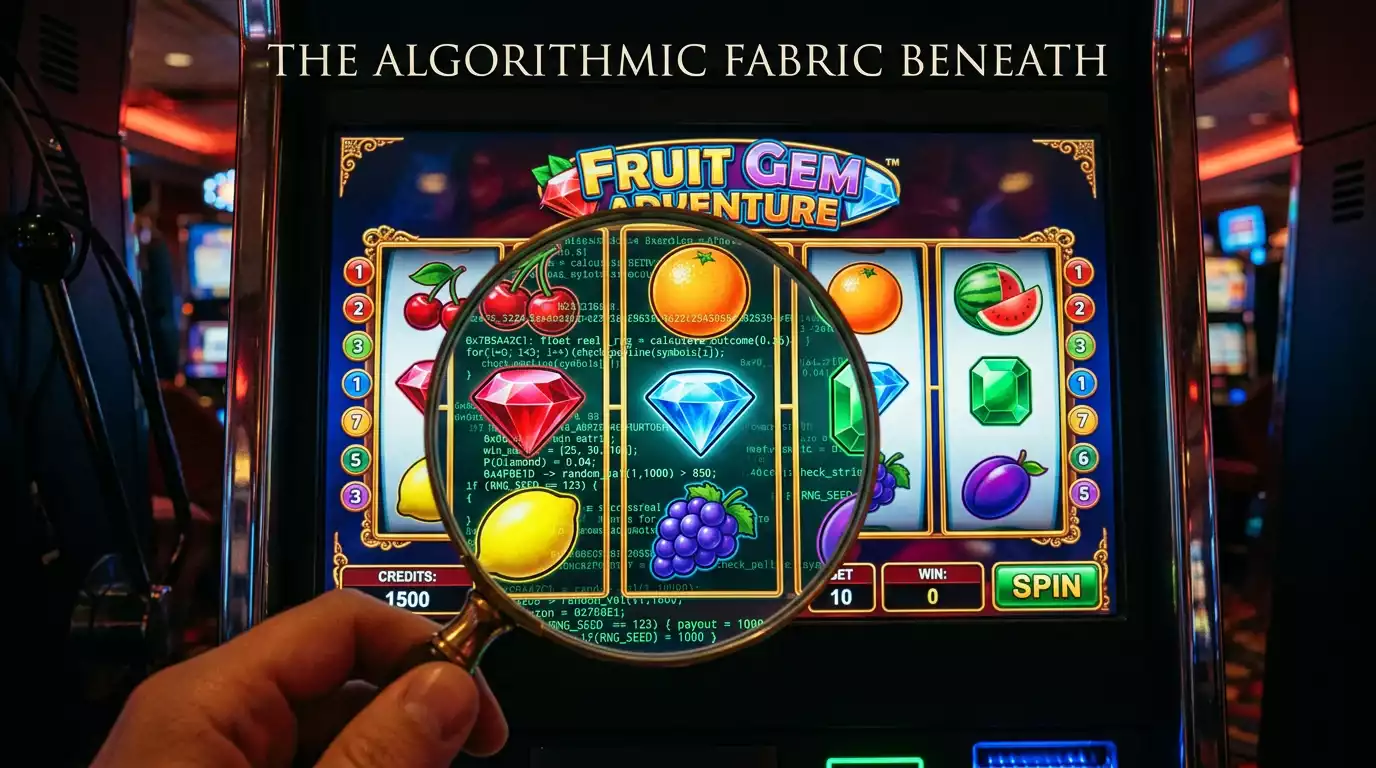
Fairness is not established merely because a casino says that its games are random. Independent testing and certification can provide additional assurance. Testing organisations typically assess whether a game’s outcomes behave in accordance with its stated design and whether the RNG produces suitably unpredictable results. The precise scope depends on the tester, the game and the certification involved.
Players should look for clear information about the casino’s operating status, game providers, and any testing or certification claims. Where a site refers to an external regulator or testing laboratory, follow the link and confirm the details with that organisation rather than relying only on a logo. A valid certification for one game or provider should not automatically be assumed to cover every title on a platform.
RNGs and return to player
RNGs and return to player (RTP) describe different things. The RNG determines the outcome of each round; RTP is a theoretical long-term percentage describing how much a game is designed to return across a very large number of plays. For instance, a stated RTP of 96% does not mean a player receives 96% of their stake back in a particular session. Short-term results can vary widely, and a player may win or lose much more than the theoretical average suggests.
RTP is not a promise, a forecast for an individual, or a method for predicting a winning spin. Check the information shown in the game’s help or paytable section. Some titles may have different configurations, so confirm the version and RTP that apply to the game you are actually playing.
What Rogue Casino players can check
When reviewing Rogue Casino, use the game information and site terms as practical starting points. Open a title’s rules before playing and look for its provider, paytable, RTP where published, bonus features and stake limits. Read the casino’s terms for details about deposits, withdrawals, identity checks, bonus eligibility and any playthrough requirements. These matters affect the overall experience, even though they do not change the RNG outcome of a spin.
- Confirm the game provider: identify who developed the title and whether the provider publishes game rules or testing information.
- Read the paytable: understand symbol values, feature triggers, paylines or ways to win, and any special rules.
- Check the site terms: review the latest conditions for accounts, payments, promotions and withdrawals.
- Look for responsible gambling tools: check whether limits, time-outs and self-exclusion options are available and how to use them.
Why outcomes can feel uneven
Randomness does not necessarily look balanced over a short period. A player may see several losing rounds in a row, or a cluster of wins, without either pattern proving that the RNG is faulty. Random sequences naturally include streaks. Because people tend to notice patterns, it can be tempting to interpret a run of results as a signal. In an RNG-based game, that interpretation is not a reliable way to predict what happens next.
Volatility also shapes how a game feels. A higher-volatility title may have less frequent wins but potentially larger prizes, while a lower-volatility game may produce more frequent, smaller returns. Volatility is a description of the game’s expected pattern, not a guarantee about an individual session. Check the provider’s explanation where available, and choose games based on your preferences and budget rather than an expectation of profit.
Demo play and responsible decisions
If a demo version is available, it can help you learn the rules without risking real money. Demo results are still generated by the game, but they do not demonstrate that a real-money session will produce similar outcomes. They also cannot establish that a particular strategy will overcome the game’s mathematical design. Use a demo to understand features and controls, not to predict future results.
For real-money play, decide in advance how much you can afford to spend and how long you intend to play. Treat gambling as paid entertainment, never as income or a way to recover losses. Set limits before starting and stop when you reach them. If gambling is causing stress, affecting finances or becoming difficult to control, take a break and seek support from an appropriate UK service.
Questions and answers
Can Rogue Casino RNG guarantee that I will win?
No. An RNG supports unpredictable outcomes; it does not guarantee a win for any player. A fair game can still produce losses, including extended losing periods.
Can past spins predict the next result?
No. In a properly functioning RNG game, previous outcomes do not make a particular next result “due”. Each round is not a reliable continuation of a visible streak.
Does a high RTP mean I will get most of my money back?
Not in a single session. RTP is a theoretical long-run figure across many plays, not a personal refund rate or a promise for any specific player.
How can I check whether a game is independently tested?
Read the game information and the casino’s current disclosures. If a testing organisation is named, verify the claim through the organisation’s own information where possible. Check which games or systems the stated certification covers.
A practical view of fair play
RNG technology is an important part of online casino fairness, but it is only one element players should consider. Transparent game rules, credible testing information, clear terms and accessible safer-gambling tools also matter. Rogue Casino players can make a more informed choice by checking those details before they play and by treating every result as uncertain.
No strategy can remove the house edge or turn random outcomes into a dependable source of income. Use the available information to understand the games, set firm personal limits and stop if play is no longer enjoyable or affordable.